
Saba Digital Marketing

4 Professional SEO Development Tips for Your Business

Whether you’re a start-up owner or you have an established business, you can benefit from a professional approach to SEO development. Given the fact that more than 90 percent of consumers now search online for information about the products and services they need before purchasing anything, ignoring today’s digital environment is no longer an option. Whether you’re planning for local SEO in San Diego or thinking on a global scale, here are four tips to help get you started with your online engagement efforts.

1. Build a High-Quality Website

Most of your online marketing activities will lead back to your website. Invest in a high-quality website that’s designed to meet the expectations of visitors coming to your site. A well-developed website has:

  • Clear navigation features
  • A mix of internal and external links
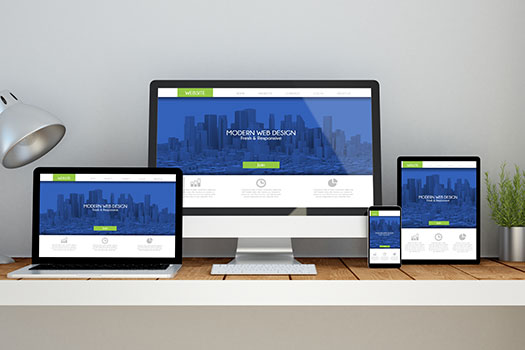
  • A responsive design that allows it to be viewed on any screen (especially if most of your website traffic comes from mobile devices)
  • Optimized meta tags to help search engines and potential visitors better understand your site

2. Use Relevant, Targeted Keywords

High-quality content is the heart of SEO development for any business. Another key SEO ingredient is using the right keywords. In fact, content is widely considered to be one of the top ranking factors for Google. With keywords, you should avoid anything that seems forced and focus on:

  • Keywords relevant to your business
  • Long-tail keywords (related words and phrases)
  • Keywords that are already being used by your competitors to target the same searchers

3. Be Informative with Your Content

SEO development isn’t all about selling. It’s equally important to present informative, relevant content to your intended audience. Though you should clearly point out the advantages of what you have to offer, you should also produce content that:

  • Provides answers to common customer questions
  • Offers useful information (e.g. quick tips, sound advice, interesting topics related to your industry)
  • Is presented in an easily digestible form (short, descriptive headers and subheads, bullet points, clear, concise paragraphs)

4. Maintain Quality with Links

Links are a vital part of a successful online engagement strategy. However, not all links are created equal. When looking for sources of links pointing back to your site, make sure they are coming from trusted sites relevant to your business. The same advice applies to any links you include within your content to external sources.

A well-developed SEO plan is the key to reaching the right online searchers. If ROI is a concern, keep in mind all forms of online engagement can be easily tracked. Google Analytics provides an abundance of data you can use to keep tabs on how people are interacting with your business online. You can even track social media engagement and how many opens your emails get. While dependent on several factors, ROI for SEO typically ranges from 50 percent to 5,000 percent.

Hiring a reputed SEO agency is one of the best ways to maximize your ROI on digital marketing. At Saba SEO, we provide the best search engine optimization services San Diego has to offer. For over ten years, we have helped businesses all over the world design effective SEO strategies and digital marketing plans to increase their search engine rankings. Our experts stay up to date with the latest Google algorithm updates and optimization rules to ensure our clients receive the high-quality services they deserve. To create a preliminary digital marketing strategy for your business, call us at 858-951-1717 today.

How Small & Medium-Sized Businesses View Internet Marketing

Internet marketing can be an excellent way to spark engagement, increase visibility, and affect profitability by attracting the right kind of attention. According to a recent survey, 75 percent of small and medium-sized business (SMB) owners agree that internet marketing is effective. Here is a detailed look at how SMB owners view online marketing in San Diego and other cities.

SMB Owners Don’t Budget Much for Online Marketing

Most smaller businesses budget less than $500 per month on all marketing efforts, and only a fraction of this amount is typically budgeted for internet and mobile. While there are some SMBs investing more in online marketing, others are less inclined to do so. Smaller businesses with limited budgets need to:

  • Base online marketing efforts on a thorough understanding of their target consumers
  • Distribute content via platforms where there’s more engagement
  • Carefully track results to know what’s working and where to focus attention

More SMB Owners Have Plans to Increase Online Spending

Nearly 40 percent of small business owners plan to increase their internet marketing spending within the next year. The good news is that SMB owners see value in online engagement and they want to make it a priority.

SMB Owners See the Potential for a Good ROI with Internet Marketing

Seventy-five percent of SMB owners believe internet marketing is effective at grabbing the attention of new customers, which suggests that many entrepreneurs see the potential for a desirable return on their investment with internet marketing. As far as what metrics contribute to a good ROI with online marketing, smaller businesses tend to focus on:

  • How many phone calls they get from online efforts
  • Website traffic
  • Rankings on search engine results pages

Not all smaller or medium-sized businesses invest in internet marketing. Some of them are reluctant to allocate their marketing budgets toward SEO. The hesitation may stem from a belief that it’s impossible to get a leg up on competitors already thoroughly invested in online engagement. There are also concerns that it will be too expensive or difficult to keep up with all the various aspects of SEO. However, SEO can be a smart, cost-effective, long-term investment when effectively implemented and managed.

If you need a comprehensive SEO plan for your business, Saba SEO can help. We are the leading search engine marketing agency in San Diego, offering a wide variety of services to help our clients increase their online ranking. Whether you need a simple keyword search or high-quality content, our experts can address your digital marketing needs. We also specialize in pay-per-click and social media marketing, as well as web design and development. To talk to one of our experts, call us at 858-951-1717 today.

SEO Best Practices for Structuring URLs

URL is not an important ranking factor, but this doesn’t make it useless. Even the best SEO firm in San Diego County will tell you URLs can influence clicks if optimized correctly. If a searcher sees a URL that accurately describes what it leads to or what the site is, he or she is more likely to choose it over one that’s more generic. Optimize your URLs for ranking purpose by keeping the following best practices in mind.

Make URLs Readable to Humans

If your URL contains random numbers, letters, and symbols, searchers will likely avoid it. Try to make your URL as clear as possible by making it reflective of your brand or the specific content it leads to. Also, use hyphens or underscores to increase readability.

Use Keywords in Your URLs

Some searchers are inherently suspicious of links. However, if they hover over a link and see a few keywords that suggest they’ll be redirected to a website that offers what they’re looking for, they’ll be more likely to click it. Just remember to focus on a few relevant keywords. URLs also get a boost from keywords when:

  • They are copied and pasted
  • They serve as anchor text on search engine results pages
  • Searchers need added incentives to choose one link over another that offers similar products or services

Keep URLs Short

Leading search engines like Google and Bing can handle both long and short URLs with equal efficiency, but searchers tend to prefer shorter ones for several reasons. First, excessively long URLs usually come off looking bulky and junky. Also, it’s easier to copy, paste, and share URLs that are shorter. Further streamline your URLs by:

  • Minimizing the use of words like “a,” “and,” “or,” “but,” and “the”
  • Removing unnecessary characters
  • Getting rid of words that won’t affect meaning

Creating a successful SEO strategy involves paying attention to smaller details such as URLs. Using all lowercase letters in URLs to avoid confusing search engines and relying on canonical URLs to avoid duplicate content penalties can make a noticeable difference with online engagement and visibility.

If you need help with SEO, turn to Saba SEO, a search engine optimization agency San Diego businesses and companies all over the world trust. From designing responsive web pages to creating concise URLs, we offer a wide range of services to boost your online visibility and search engine ranking. For over a decade, we have helped our clients benefit from winning digital marketing strategies, enjoy increased conversions and click-through rates, and acquire more leads. Whether you need a few simple edits to your online content or a comprehensive SEO plan, we’re here to help. Call us at 858-951-1717 to schedule an appointment.

How to Make Your Landing Page Effective

A website typically consists of a general homepage and several more specific landing pages, which could be things like order or subscription forms. If you plan to invest in professional web design, you’ll definitely want a high-quality landing page to attract more searchers. Experts at Saba SEO, a leading San Diego web design company share a few tips on how to make your landing page effective.

Avoid Unnecessary Distractions

Whether it’s selecting a specific product or providing the required information to complete a purchase, a landing page has to convince visitors to take a certain action, which means it can’t be cluttered. People tend to scan first before reading, so make your landing page stand out by:

  • Making it clear what the purpose is
  • Minimizing or eliminating navigation (people don’t go to a landing page to go elsewhere on your site)
  • Keeping all info short and concise (e.g. brief product descriptions, simple checkout procedures)
  • Using relevant images where appropriate
  • Including simple “nudges” (e.g. “enter your coupon code here” or “click here to complete your purchase”)

Make It Look Professional

People are likely to feel uncomfortable entering credit card information or even providing their email addresses if the landing page is full of spelling and grammatical errors. Make sure to remove such errors from your landing page and pay attention to the layout and design. It should be professional and reflective of your brand and industry.

Include Praise About Your Business

If you are trying to convince visitors to choose your products or services from a landing page, give them an added incentive to do so. One common way to offer incentive is by including some positive things about your business, but this needs to be kept within reason. You don’t want to clutter your landing pages with too much self-praise. Effective incentives for clicking the landing page typically involve:

  • A few testimonials from previous customers
  • Related product suggestions (Amazon does this very well)
  • Notable awards or honors (pick the most relevant one)

Maintain Consistency

Many businesses use their ads to direct visitors to specific landing pages. When doing this, make sure the landing page is consistent with the same messaging, and follow through on whatever is offered in your ad. In other words, don’t offer “free shipping on every order” in your ad and then have your landing page clarify it with “free shipment on every order over $50.” Be upfront from the beginning, and further boost the effectiveness of your landing pages by:

  • Having a clear call to action
  • Asking for minimal information (people tend to be cautious about providing too much personal info)
  • Focusing more on specific benefits rather than features (gives people a reason to take action)
  • Keeping important details on the upper portion of the page that visitors often see first
  • Including some of your relevant keywords you use elsewhere to maintain consistency (also helps with ranking)

With landing pages, you’ll have an opportunity to encourage specific actions, target searchers looking for certain products or services, and track the results of your various campaigns. Landing pages are appealing because all engagement is highly trackable.

To create effective landing pages for your business, turn to Saba SEO. Our experts can analyze your business objectives, promotional offers, and target audience, and design compelling landing pages that can increase your conversion rate. We are a leading SEO company in San Diego with an international client base and several years of experience in search engine optimization, content marketing, and web design & development. To talk to one of our digital marketing experts, give us a call at 858-951-1717 today.

3 Questions to Ask Yourself When Selecting a PPC Company

Pay-per-click is a valuable online marketing tool, but keeping up with PPC campaigns can be tiresome. If you want to incorporate PPC into your marketing strategy, it’s a good idea to hire a PPC agency rather than trying to manage it on your own. Here are three questions you should ask yourself before hiring a San Diego PPC company.

1. Is a PPC Campaign Right for Your Business?

Consider where your business is going to make sure you’re ready for a PPC campaign. What results are you hoping to achieve with the campaign? Will your website effectively use the new traffic it gets? Some agencies make empty promises about what they can achieve for you, so make sure you know your PPC objectives well.

2. What Do You Want the Working Relationship to Be Like?

Finding an agency that works well with you is often more important than the price. Think about what the agency should be prepared for when working with your company. Do you require fast responses and frequent communication, or do you have a demanding teammate the PPC agency will be working with? Make sure the agency has experience with any situations your company may put them in.

3. What Is Your Long-Term Plan?

Ask yourself where you see your company in a few years time. Do you plan on bringing the PPC work in-house, or will you always want to keep it outsourced? How do you expect your business to grow in the next two or three years? Communicate your business expectations with the PPC agencies you interview, and make sure they can address your changing PPC needs.

When it comes to choosing a PPC agency, businesses rely on Saba SEO. We offer high-quality pay-per-click services, search engine optimization plans, and social media marketing in San Diego. Our experts can create a focused paid marketing campaign for your business that is sure to appeal to your target audience and result in more conversions. We believe in continual support, and we regularly monitor your PPC campaigns to make sure they yield positive results without draining your budget. To create a preliminary pay-per-click marketing plan for your business, call us at 858-951-1717 today.

All You Need to Know About SEO Meta Tags

Meta tags have the power to do wonderful things when it comes to search engine optimization. The purpose of meta tags is to provide some important information about your webpages to both online searchers and search engine crawlers. However, not all meta tags are created equal in terms of potential SEO power. Some are definite “must-use” tags, while others are either meaningless or possibly harmful. San Diego SEO optimization experts attempt to explain meta tags in detail.

What Are Meta Tags?

Meta tags are snippets of text that briefly describe the content of a webpage. Some are seen by both searchers and search engines, while others are only visible to the automated crawlers that determine how content ranks.

How Do Meta Tags Help with SEO?

When used correctly, meta tags help with SEO in several ways. Meta descriptions, in particular, are useful because they provide an extra clue about the content of a page. Google has specially said they take into account the content of a page as well as the references to the content that appear on the web. To help with SEO, meta tags need to:

  • Accurately reflect the page’s content
  • Use only one or two keywords in a way that’s natural and not forced
  • Stay within the appropriate character limit (tags that are too long will get cut off)

Which Meta Tags Are Good?

In many SEO circles, the most important meta tag is the title tag, which is the main header on the page. Search engines use this tag to get the gist of what your page is about. Each page should have its own unique title tag.

With the increased use of mobile devices, the viewport tag has become important. It’s used to define the visible area of a webpage. When PCs were widely used, this tag was usually fixed for all pages, but now it needs to be adjusted for smaller screens.

Finally, there’s the meta description. Ranking isn’t influenced by this tag, but it’s still a critical part of SEO since the meta description is what users see on search engine results pages. If a meta description is compelling and relevant to what searchers are looking for, it’s likely to convince them to click the link associated with it.

Which Meta Tags Should Be Avoided?

Meta keywords were once widely used to help search engines understand which keywords were associated with content. However, meta keywords can also be easily abused, so they’re no longer considered for SEO purposes. Google is also not a fan of refresh tags. It’s better to use a 301 redirect. Some other tags to avoid include:

  • Author/web author (there’s no need to ID the author of a webpage)
  • Revisit after (no major search engines use this one)
  • Expiration/date (just remove outdated pages instead)
  • Generator (identifying what program was used to create a page is unnecessary)
  • Cache control (it’s better to determine when and how often pages are cached in the HTTP header)

Successful search engine optimization involves a mix of techniques. Some methods are more technical, while others are more practical. Meta tags fall somewhere in the middle. They’re technical in the sense that you need to pay attention to format and character count, but they’re also practical because they provide more details about the type of content you are presenting.

For quality-assured search engine optimization services, businesses rely on Saba SEO. As one of the leading providers of internet marketing in San Diego, we have over ten years of experience in content creation, SEO, and PPC. By utilizing a variety of white hat tactics, we can help you increase your online visibility and create high-quality content that is sure to entice your target audience and rank well across all search engines. Give us a call at 858-951-1717 to find out how our experts can help you with your digital marketing needs.

How to Optimize Your Content for Voice Search

If voice search isn’t part of your search engine optimization strategy yet, you’re missing out on an opportunity to better connect with today’s on-the-go consumers. Thanks to the increased reliability of the voice recognition technology behind digital assistants like Siri and Alexa, about 20 percent of all mobile queries are voice activated. Experts at Saba SEO, one of the leading San Diego marketing companies share a few tips on how to boost the visibility of online content among voice searchers.

Consider Featured Snippets

Many voice searchers ask questions, and Google actually “reads” the answers that show up in featured snippets. Featured snippets can be in the form of lists or tables, but paragraphs tend to work best. Utilize featured snippets by:

  • Finding keywords that naturally fit into your content and also work well in snippets
  • Adding work tables and bulleted lists into your content to make it easier for Google to pull info for snippets
  • Incorporating FAQs and answers into your content where it makes sense to do so

Claim Your My Business Listing

Voice searches are often local in nature (e.g. “Where can I find an Italian restaurant near me?”). Boost your online ranking for voice searchers by claiming your Google My Business listing. Doing so will allow you to confirm your business info is correct. You’ll also get access to Google Maps, which makes it easier for voice searchers to visit your physical business location.

Use Conversational Keywords

One of the most effective ways to optimize for voice search is to focus on conversational keywords. People tend to speak more words than they type, and they don’t use abbreviations and other shortcuts people often use when typing. Get more conversational with your keywords by:

  • Using long-tail keywords (groups or related words or phrases)
  • Basing keywords on the questions commonly asked by people searching for what you have to offer
  • Using location-suggesting keywords (e.g. “near me” or “in my area”) since voice searchers know their devices can detect their location automatically

Any type of search engine optimization strategy needs to be based on an understanding of your target audience. Not everyone within your target group will be doing a voice search to find what you have to offer. However, you can tap into your analytics to see where your traffic is coming from to get an idea of how much optimizing you should do for voice search. For instance, if you get a lot of website visits from mobile devices, it’s safe to assume that making your content more appealing to voice searchers will benefit you.

If you want to optimize your content for voice searchers, the team at Saba SEO can help. We offer high-quality search engine optimization, PPC, and social media marketing to businesses all around the globe. Our experts can help you identify your target audience and devise innovative ways to capture their attention. All our services are backed with more than ten years of professional experience and an A+ rating on BBB. To get the best SEO optimization in San Diego or another city, call us at 858-951-1717 today.

It’s Official! Google Increased the Length of Snippets in Search Results

Google recently made a big change in how they display snippets in their search results. In early December 2017, many searchers noticed the snippets seemed longer than before. Snippets are the descriptions shown beneath the URL in organic search results. They provide a brief description of the site and explain how the site relates to the query. Trusted providers of online marketing in San Diego discuss this recent change in featured snippets.

Snippet length used to be 160 characters on average, but the average length is now about 230 characters, and some snippets are as long as 275 characters. The change in featured snippets applies to both mobile and desktop searching. One of Google’s spokespeople told Search Engine Land, “We recently made a change to provide more descriptive and useful snippets to help people understand how pages are relevant to their searches. This resulted in snippets becoming slightly longer on average.”

Snippets are usually generated based on the searcher’s query, the content of the page, and the meta description. The change in snippets may affect how marketers write their meta descriptions. Having a longer snippet means you might answer a searcher’s question entirely, and they won’t have to click on your site for more information. On one hand, having helpful information in the snippet is valuable for the searcher, so sites with informative snippets will probably rank higher. On the other hand, you still want to entice searchers to click on your webpage.

You may see a difference in your click-through rate over the next few months. Less complex queries will probably have fewer clicks, but more complex queries may get more clicks because the longer descriptions could be more enticing. The best way to handle this change is to make a list of your site’s pages that receive the most search traffic. Then, reoptimize the meta descriptions for those pages to fit the longer limits.

Boosting your online ranking involves more than just focusing on featured snippets. To create a comprehensive SEO plan for your business, turn to Saba SEO. As a leading San Diego search engine optimization agency, we help our clients increase their online ranking and attract more customers. From creating high-quality content to designing a responsive website, we offer a range of solutions tailored to suit the needs of a wide variety of businesses. Call us at 858-951-1717 to schedule an appointment.

How to Optimize Your WordPress Blog Posts

Investing in WordPress blogs is a great way to attract visitors to your site, but to maximize your blog’s potential, you should optimize your posts. Fortunately, WordPress is fairly simple to use compared to other content management systems. You could have a San Diego optimization firm manage your blog posts, or you can optimize them yourself by following these steps.

Upload the Blog Post First

Once you log into your site, hover over the “Posts” option and click “Add New.” Then, copy and paste the title and body of your blog post and double-check that any links in the post have been added properly. To insert images, click “Add Media” and choose “Upload Files.”

Make Sure to Categorize

Look for the “Categories” option on the right side of the screen. Categorizing your blog post will let WordPress create category pages to sort your content. In the “Categories” section, you can add tags and choose the author of the post. Scroll up to the top of the page and find the “Publish” section. Select “Preview” to see how your post will look before publishing it.

Consider Optimization Strategies

Consider installing the Yoast SEO plugin to optimize your post. In the “Edit Post” page, scroll down until you see the “Yoast SEO” section. Select “Edit Snippet” and insert your title tag, which should include your main keyword and your site name or brand name. Then, fill out the “Meta Description” box. Although your meta description isn’t very important for your rankings, including certain keywords could encourage viewers to click on the post. Your description should be between 70 and 150 characters. You can add alt tags to images in your blog post by using the visual editor. Select the image and click the “Edit” icon. Input your alt text into the “Alternative Text” box and click “Update.” The alt tag should describe the photo with a keyword.

If you’re looking for a reliable SEO company to optimize your WordPress blog posts, choose Saba SEO. We are among the leading marketing companies San Diego has to offer. By creating high-quality content, adding relevant keywords, and including images, we make sure your blog posts stand out among all your competitors. Our experts offer continual support and ensure all your future posts reach out to your target audience. To create a customized digital marketing plan for your business, call us at 858-951-1717 today.

How to Generate Traffic While Increasing Your Ranking

Link building is one of the many things you can do to achieve a desirable ranking on Google and other search engines. However, there’s more to online marketing than focusing on ranking. In fact, you’re more likely to see a return on your investment if you place an equal emphasis on generating traffic. Trusted providers of SEO marketing in San Diego share a few tips on how to generate traffic while increasing your ranking.

See What’s Directing Traffic to Your Competitors

You and your competitors are going after the same audience, so it’s important to consider what publications are driving traffic to their websites. There are plenty of tools that will give you exact details of what links are most effective for your competitors.

Investigate Sites Linking to Your Competitors

Before you automatically try to get the same sites to link to your website, take a moment to check out your competitors’ link sites. Make sure they are valid sources of content and not just “content scrapers” that copy content from other sites. While investigating sites as potential link sources, also look at:

  • Whether or not the content fits in with your business
  • The level of engagement the site has
  • How up to date the content is

Look at Top-Ranking Sites within Your Niche

Go beyond getting potential sources of traffic from your competitors and check out the top-ranking sites within your niche. You can get this info by either doing a Google search for your products and services or by using niche directories. Once you find some potential link partners, approach those sites to see if you can obtain a link.

Seek Out Online Influencers

Get an instant influx of traffic and potential customers by reaching out to influencers within your niche. Influencers are individuals with a large following that pays attention to their recommendations.

As long as you can provide some relevant content for your influencers’ audiences, you’re likely to get a mention and a link featured on their blog or social media pages. Community forums can also be a reliable source of potential link/content partners.

Partner with Complementary Businesses

If you sell windows and doors but don’t actually repair them, consider reaching out to a business in your area that does repair work. With this strategy, each of you will promote the other company’s business. A reference to the other organization is usually made with a brief mention of their business and a link to their site. They’ll do the same for you, and you’ll have access to people likely interested in services you offer that the other business doesn’t.

Create Content with Your Intended Audience in Mind

Another way to combine generating traffic with ranking is to pay attention to the content you’re producing. Avoid the temptation to worry about using every possible keyword associated with your business or just stuffing in a lot of links. Instead, write with your intended audience in mind and naturally use keywords and links where it makes sense to do so.

If you need a reliable SEO company to help you boost your online visibility and generate more traffic, turn to Saba SEO. We are a leading San Diego search engine optimization firm with over a decade of experience in SEO, PPC, and social media marketing. Our experts utilize a variety of white hat tactics to improve your search ranking and boost your web traffic. Whether you need a mobile-friendly web design or high-quality online content, we are here to help. Call us at 858-951-1717 to schedule an appointment.

Request A Free Consultation