Saba Digital Marketing

2020 Guidelines for Using Facebook to Market Your Business

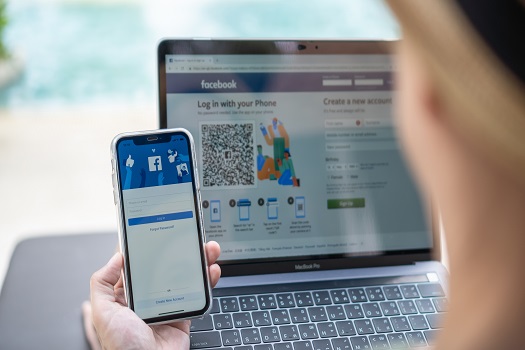
Marketing businesses and products on Facebook is ramping up in 2020. Facebook is no longer just for sharing photos of your vacation or discussing last night’s game. Facebook’s format makes it easier to meaningfully engage with your customers and expand your brand’s visibility. Here are the essentials of Facebook marketing for business in 2020, brought to you by the social media experts at Saba SEO, a firm that’s among the most trustworthy and innovative San Diego marketing companies.

Build a Community

Instead of relying on your Facebook business page, create a Facebook group and start building a community. A group is less formal than a business page. Because this format is more appealing, customers and potential customers may feel at ease because they’re among friends. They’ll discuss your product or service and subjects related to it. This feedback can help you fine-tune your social media marketing, and it can even help you generate ideas for new products or services. Your group can be public or private. Private groups can give your followers more freedom to express themselves, and they’re easier for admins to monitor. 

Invite Micro-Influencers to Your Page

Micro-influencers are social media experts in specific business niches. Their name brands mean something to their followers. They may have hundreds of thousands of social media followers who will try what they recommend. Find those who overlap with your specific brand niche. Invite these influencers to produce content for your Facebook page, then watch new potential customers engage with your page. 

Comment on Reviews

Facebook marketing for business in 2020 includes reviews. Always comment on every review, whether positive or negative. Thank people for positive comments and invite those reviewers to return and continue their patronage. As for negative comments, try to resolve the issue and briefly explain how it was addressed. Potential customers learn a lot about your customer service from how you treat a negative review. Any business can have a bad day, but the way that company deals with the negative situation is more important when it comes to influencing future customers. 

Avoid Being Pushy

Make sure your content uses SEO best practices, but don’t push your products. You should certainly unveil new products or tout your services if they apply to a holiday or specific time of year. However, don’t allow your page to be just an advertisement. You know your customers and your brand. Focus your posts on specific subjects, and engage with people without pushing them to buy your products. You’ll earn their trust and loyalty, and they’ll become customers because of it. 

When it comes to utilizing Facebook and other social media platforms, you need to create a clear strategy for your business. The social media marketing experts at Saba SEO can help you develop a customized marketing plan that’s certain to boost your online presence. As a premier provider of San Diego SEO services and digital marketing expertise, Saba SEO has more than ten years of experience in social media marketing, content development, search engine optimization, and web design. To get started creating an effective social media marketing plan for your business, give us a call at 858-277-1717.

Tips for Creating an Effective Social Media Calendar

Your organization needs a social media content calendar because it will allow you to plan for special events and rollouts and focus on your customers. Here are seven tips for creating a social media content calendar, brought to you by Saba SEO, an innovative digital marketing firm specializing in SEO, social media, and web design. San Diego business owners can take full advantage of a wide variety of marketing channels by preparing their social media calendars carefully.

Create a Framework

List all upcoming trends, holidays, and other events specific to your product, which may require gathering information from people in every department of your business. There may be national or international days or weeks that relate to your product or brand. Create a master calendar and list all these dates on it.

Identify the Need for Lead-Ups

Determine if any of the set dates need lead-ups. Perhaps you’re unveiling a new product or changing some branding. You may want to schedule time prior to the event to alert your social media followers that something new is about to happen. 

Assign Content Creation Tasks

Determine who will create your social media content. If you already have a social media team, they can work with appropriate organizational team members to create content that’s unique to your brand. This is also the time to consider inviting an influencer to take over your social media for a day. Using an influencer could expose your brand to a new audience. 

Choose Your Social Media Channels 

Determine which social media channels you plan on using. Next, determine if you can support all those channels. If you only post once a week on any channel, your time and effort may be better spent creating more posts on fewer channels. Let your company branding help you make this decision. Instagram is ideal for visually sharing your brand. Facebook gives you the opportunity to fully share your story. You may be able to expose your business to more people via Twitter. YouTube and Snapchat provide opportunities to demonstrate products and share your company’s personality. 

Use Video

Figure out how you can include video in your social media. Video is becoming one of the most popular online tools, and it’s the preferred medium for mobile users. This is an opportunity to create themes and content that will engage your audience and pique their interest. Your videos can feature unboxings, product demonstrations, and visual stories related to your brand. 

Divide Content 

Your social media content shouldn’t be limited to advertising. It should include a mix of promotion, industry knowledge, and fun. Fun content can center on important dates in your company’s history or something special about the location of your home office. 

Make sure to use your social media scheduling tools to post at optimal times. Always track your progress, and revisit your social media strategy after six months. Finally, don’t be afraid to tweak your content calendar. 

For high-quality social media, Internet marketing, and SEO services, rely on the digital marketing experts from Saba SEO. We’ve been a premier San Diego SEO agency for more than a decade, and we specialize in several areas, including social media management, SEO, SEM, web development, and web design. If you’re ready to step up your social media marketing strategy, reach out to one of our experienced consultants today at 858-277-1717.

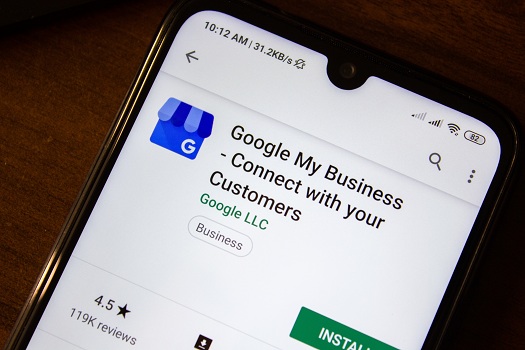
Using Google My Business to Increase Your Customer Base

Google My Business is a free Google tool that can help you improve your SEO (search engine optimization) and beat out your competition. To get more customers via Google My Business, follow these tips from the experts at Saba SEO, the company to call when you’re looking for a premier provider of San Diego web design and SEO services. 

Be a Completist 

Fill out the Google My Business form completely. Make sure your business address matches the one listed on your website, all the way down to abbreviations. Include your social media so customers can learn more about your brand and follow you. Don’t be afraid to include adjacent areas you serve in your description, as this can help you dominate these local markets in online searches.

Help Customers Find You

Google My Business can be a key tool that helps people physically find your business. Dragging and dropping a pin on your local map allows customers to find exactly where you’re located. 

Respond to Reviews

Reviews are included in Google My Business, so encourage your customers to leave comments. Make sure to thank people for positive reviews, but also find a way to positively resolve negative ones. Potential customers understand everyone can have an off day, and if you deal positively with negative feedback, new customers will understand you care about customer service. 

Use Visuals

Include videos and photos of your business in your listing. More than half of mobile users will search for local businesses, which means photos of where your business is, what it offers, and close-ups or videos of your product or service could provide the extra push that gets customers to visit your business. 

Mention Special Details 

Do you offer delivery? Does your business allow pets? Make sure your Google My Business includes those small details that make your business unique. Including these keywords in your business description can help you stand out against your competition. 

If you need help optimizing Google’s tools and creating a solid SEO strategy for your business, reach out to the experts at Saba SEO, one of the premier marketing companies in San Diego. Our specialists can help you with marketing campaigns, social media management, web development, search engine optimization, and much more. To find out more about our high-quality SEO services, give us a call today at 858-277-1717.

Latest Tips for Getting on Instagram’s Explore Page

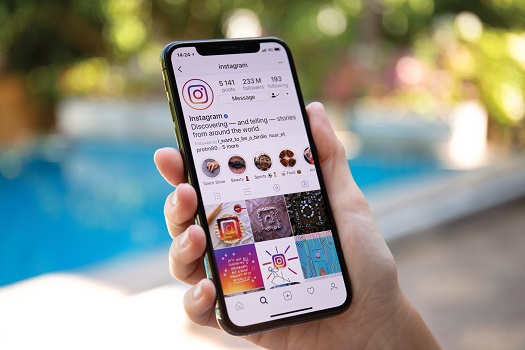
The Instagram Explore page is essentially a personalized collection of visual content tailored to the preferences of each user. It’s basically a collection of accounts that may be of interest to a particular user, and it includes posts and products the user might want to buy. If you’re wondering how to get on this particular page in 2020, keep reading for expert advice from the pros at Saba SEO, a premier digital marketing firm specializing in SEO, social media, and Internet marketing. San Diego business owners should evaluate their online marketing strategies now to take advantage of Instagram’s exploding user base.

Post Content When It’s Most Likely to Be Noticed

The Instagram scheduler is a great tool you can use to distribute your content when your target audience is most active on the platform. This can be helpful because newly posted content tends to attract the most attention.

Take Cues from What’s Already Featured

You won’t see “like” counts anymore on Instagram. However, you can still get some ideas about what’s popular by checking out what’s already being featured on the Explore page. This can be especially beneficial if Instagram is a new part of your social media strategy in 2020.

Tap into Your Data

If you already regularly post to Instagram, tapping into your analytics to see what posts are getting the most love from users will give you a heads-up on what kind of new content to add. For instance, your target Instagram users might prefer humorous posts more than ones that are more sentimental.

Bonus Tip: If you have a business profile, look at your native analytics to see if any of your popular posts are already on the Explore page.

Mix Up Your Content

You’ll boost your odds of getting on the Instagram Explore page in 2020 if you present a variety of content. In addition to images, consider presenting the following types of posts: 

  • Visual stories with common narratives or themes
  • Long-form content via the IGTV section of the Explore page
  • Enticing product posts

Approximately half of all Instagram users (roughly half a billion people) check out the Explore page. Because of the popularity of this page and the high visibility of its content, being featured on it can do a lot of good things for your brand. Instagram also allows you to purchase Explore page ads that show up after videos or images are clicked.

For outstanding social media, Internet marketing, and SEO services, San Diego businesses trust the digital marketing experts from Saba SEO. We’ve been one of San Diego’s premier marketing firms for more than a decade because of our expertise and unparalleled service. We specialize in several areas, including social media management, SEO, SEM, web development, and web design. If you want to step up your social media marketing strategy, reach out to of our experienced consultants today at 858-277-1717.

2020: Using SEO to Eclipse Competitors

How can you help your business ranking in 2020? By beating your competition with search engine optimization (SEO) and a well-crafted online marketing strategy. Although keeping up with the latest SEO best practices is important, focusing on some new SEO trends can help you overcome your competition. The experts at Saba SEO, a premier San Diego SEO company committed to employing the most innovative practices in the industry, offer a few ways to beat your competition in 2020 with SEO. 

Voice Searches

In cars and homes and on all sorts of mobile devices, voice queries are on the rise. Thanks to Siri, Alexa, and Google Home, natural language keywords need to be added to your SEO strategy.

Authority

Your SEO ranking is connected to Google’s determination to create a high-quality knowledge base, which means your site should offer the content customers are looking for. First, seek to answer even the most basic questions about your product. Start out by including those questions and then answering them. Make sure to figure out keywords related to your product, and create individual posts using those keywords. Customers will stay on your site longer if they see you have authority. Google notices this and will rank your site higher.

Video

Video continues to get stronger, and YouTube is now the second biggest search engine. From demonstrating your product to showing an unboxing, video can help you gain more customers while increasing your SEO.

Google My Business

Google My Business is the local business tool. Fill out the form for each of your branches. Make sure to include all your information, including your address, bio, and social media pages. Google My Business may become the tool that helps you rank higher than your competition. 

Local SEO

Did you know over half of all mobile searches are local searches? Using local keywords can improve your SEO. Don’t forget to include natural language keywords for those who are driving or using mobile devices. 

If you need help optimizing your business’s SEO strategy, call on the experienced professionals at Saba SEO, the go-to experts on SEO in San Diego. We can help you with search engine optimization, online marketing, social media management, web design, and much more. Give us a call today at 858-277-1717 to learn more about our industry-leading services.

7 Ways to Coordinate SEO & PPC to Optimize Growth Marketing

When strategizing growth marketing, why decide on choosing between PPC (pay per click) and SEO (search engine optimization)? You can utilize the best of PPC and SEO together to drive traffic to your site. The San Diego SEO and digital marketing experts from Saba SEO recommend these 7 unexpected PPC and SEO strategies for growth marketing. 

1. Use Branded Keywords

Trying out some new branded keywords to outperform your competition? Start by testing new branded keywords with PPC. After evaluating the results, take that information and use SEO best practices for increased marketing success. 

2. Try Local Keywords

Have you included local keywords in your marketing strategy? Use PPC to test out some local keywords. These offer more bang for your marketing buck and can kick-start your SEO strategy. 

3. Include Negative Keywords

Avoid overpaying for PPC by including negative keywords. For instance, if your business is “window glass,” a negative keyword might be “car glass.” 

4. Create Locally Targeted Ads

Using PPC to create locally targeted ads can boost your local presence. More than half of all mobile searches are local searches. Use PPC to capture the attention of new customers. Don’t forget areas adjacent to your target area. You could corner the market by looking beyond your border. 

5. Establish Authority

Google’s latest SEO changes are all directed at rewarding sites that establish their expertise and demonstrate their authority. What does this mean to you? Sharing high-quality information with deep dives that answer questions and establish your authority is essential. Site speed, responsive design, and upgrading to HTTPS all give customers a better user experience and tell Google your business is an authority. Google ranks user-friendly sites higher than those with outdated site speed and security. 

6. Coordinate PPC & SEO

It can take six months for Google to take notice of SEO strategies. What do you do during this time? This is when you utilize PPC strategies. PPC gets the momentum going, while SEO establishes your authority. 

7. Analyze Data

Keep track of your strategic SEO and PPC moves. Note trends and surprises. Use this data to learn more about your customers and make adjustments. 

If you need focused, results-oriented PPC and SEO campaigns for your business, reach out to Saba SEO. As a leader among San Diego SEO companies, we offer high-quality PPC and SEO services, and we have more than ten years of experience in digital marketing. Our experts can analyze your target market and create a comprehensive marketing campaign to boost your online visibility. To learn about our high-quality PPC and SEO services, give us a call today at 858-277-1717.

Guidelines for Creating a Winning Social Media Marketing Strategy

More than 70 percent of all adults with Internet access use social media of some kind. Social media offers a cost-effective way to get a message out to a very specific audience, so it’s important to know what “rules” to follow when putting together an effective social media strategy. To boost your online marketing efforts, try following these guidelines, brought to you by the experts at Saba SEO, one of the premier marketing companies in San Diego.

Know Your Audience

No effective social media strategy is random. The messages you present to more mature consumers or clients are going to be very different from what you present to millennials. Before you go any further, be aware of the following info about your target audience: 

  • Their basic stats (e.g., age range, income level, etc.)
  • What social platforms they prefer to use
  • Their interests 

Pick Your Platforms

While YouTube drives more traffic than other platforms, there are many equally powerful platforms that can help you reach your target audience. For instance, Facebook is a good choice if you want to target a broader audience. But if you want to tap into the youth market, platforms like Imgur and Snapchat could work well, since their users tend to be younger.

Set Your Goals

Do you want to grow your brand? Are you looking to generate more leads, traffic, and revenue? The specific goals you have in mind for social media will determine how you use your preferred platforms.

Have a Plan

Once you know your goals and which platforms you plan to use, put together a social media engagement plan. This is the point where you’ll decide on things like the type of content you’ll present and how often you’ll present it.

“Listen” for Mentions

What’s termed “social listening” involves monitoring social media channels to check for mentions of your brand, your products or services, competitors, and relevant keywords. What you “hear” will determine how you fine-tune your social media strategy.

An effective social media strategy is also one with a clear voice and tone. With content, follow the “rule of thirds”—meaning your posts should be an equal mix of promotional content, influencer-inspired ideas, and personal stories. Lastly, remember to actively respond to comments, post consistently, and track your results.

If your business needs skilled assistance with social media engagement and Internet marketing, look no further than the professionals at Saba SEO. Social media management is only one of our many specialties. We also offer expertise in SEO, search engine marketing, and web design. San Diego business owners should give one of our specialists a call today at 858-277-1717.

Top Methods for Tracking Organic Conversions

Organic search refers to what shows up naturally on search engine results pages. These results are usually seen just below paid ads. If a big chunk of your conversions come from organic SEO efforts, you’ll definitely want to track your results carefully. The experts from Saba SEO, a top-tier SEO, digital marketing, and web design company in San Diego, discuss some of your best options.

Set Up a Google Analytics Account

One of the easiest ways to track organic conversions is with Google Analytics (GA). All you have to do is insert some code on your site, know what goals you want to achieve, and personalize the reports you want to see to track your conversions. With goals, you’ll create each one in GA in Standard Reports after clicking on the Admin button.

Use Event Tracking in GA

With organic conversions, you may want to track specific actions taken on different web pages. This is something you might prefer to do if one of your goals is to get visitors to spend more time on certain parts of your site to encourage more conversions. You can track this type of behavior with the Google Analytics Event Tracking feature.

Explore GA’s Multi-Channel Attribution Models

Another thing to track with organic conversions is the various touchpoints that are part of the customer journey and how those interaction points are associated with conversions. You can track stats of this nature in GA under the Attributions tab. Look for “Multi-Channel Attribution.” You’ll get access to an assortment of useful models, including ones that show the following details: 

  • All actions that took place before a conversion happened (last interaction model)
  • The first click that started each consumer’s journey (first interaction model)
  • Touchpoints that are closer to the time of conversion (time-decay attribution model) 

SEMrush also has handy tools you can use to gain organic traffic insights. You’ll have the option to conveniently merge Google Analytics and Search Console data to get a more detailed organic search picture. The information you get from GA and any outside tools you may wish to use can be used to determine just how effective your online marketing strategy is in terms of the goals you have for your organic conversions.

Whether you need help tracking your conversions or creating a winning digital marketing strategy, call on the pros at Saba SEO. San Diego companies know they can rely on our expertise and commitment to service when they want to boost online visibility and increase conversion rates. Give us a call today at 858-277-1717 to learn how we can help. 

January 2020: Google’s Core Update

Google isn’t slacking in 2020. The search engine giant officially rolled out its latest core update on January 13th, 2020. While Google normally rolls out algorithmic updates on a fairly consistent basis every few months or so, this one is a big deal because it’s a core update that has the potential to affect online visibility, revenue, and rankings. Here’s what you need to know, according to the experienced professionals from Saba SEO, one of the premier digital marketing and SEO companies San Diego businesses rely on for unmatched expertise and high-quality service delivered with integrity.

The January 2020 Core Update Is Now Live

Just hours after the initial announcement, Google sent out another message declaring what’s officially called the January 2020 Core Update was live. The company further stated plans to roll it out to various Google data centers in the following days.

What It Could Mean for Your Site

Google core updates have a tendency to produce mixed results. For instance, there were two core updates in 2019. Some SEO and marketing experts believe the June 2019 update was more impactful than the one in September of 2019. An update in November of the same year was focused on local rankings.

What to Do if You’re Affected

First off, don’t panic if you’re affected by Google’s January 2020 core update. In some instances, a negative ranking may not have anything specifically do with your content or site. That being said, it can be helpful to take a look at your existing SEO strategy if a core update does affect you. Google suggests paying attention to:

  • How your content is presented
  • How descriptive and relevant your headlines, subheads, and meta descriptions are
  • How trustworthy your content is
  • How you’re promoting your online-accessible content

Because of the many factors involved that aren’t known when Google makes core updates, it’s not possible to fully protect yourself from being impacted in some way. However, what you can do is be proactive about checking your stats, being mindful of the SEO techniques you use, and responding to the needs and expectations of your target audience.

Keeping up with Google’s changing algorithms and ranking factors is one of the smartest things a business can do in today’s online-centered marketplace. If you need help staying on top of Google trends to remain competitive, call on the experts from Saba SEO. For premier expertise in web design, digital marketing, and SEO, San Diego companies have relied on us for almost fifteen years. Call one of our SEO specialists today at 858-277-1717. 

2020 Facebook Ad Size Recommendations

If you regularly advertise on Facebook, you’re well aware that ad sizes frequently change on this popular social platform. This constant tweaking may be frustrating to ad buyers, but it’s likely done because of a desire to keep the platform’s nearly 2 billion users happy while also allowing advertisers to target specific audiences. Below, you’ll find a guide to Facebook’s ad sizes for 2020, brought to you by Saba SEO, a premier provider of Internet marketing service in San Diego.

Video Ads

Not surprisingly, video ads are popular on Facebook, especially with mobile viewers. With video, Facebook suggests uploading ad content with vertical or square aspect ratios that allow for optimal compatibility with both desktop and mobile screens. As for length, Facebook suggests nothing more than 15 seconds. Additional video ad recommendations include:

  • Feed and Instant Article videos – 1280 x 720 pxls., 9:16-16:9 ratio, 4 GB file size max., video length 1 sec.–240 mins.*
  • In-stream videos – 16:19 recommended ratio (although 9:16 is supported), 4 GB file size max., 5 secs. min. length, 15 secs. max. length
  • Marketplace videos – 9:16-16:9 ratio, 4 GB file size, 1 sec.–240 mins. length range.
  • Story ad videos – 1.91:1-9:16 ratio, 4 GB max. file size, max. length 2 mins.
  • Video feeds – 16:9 to 9:16 ratio, 4 GB max. file size, max. length 240 minutes, min. length 1 sec.

*Facebook suggests using the highest resolution possible for all videos used with ads.

Image Ads

At the very least, your ads on Facebook should include images. Images are important because customers often prefer to see what’s offered before making a decision. Facebook’s recommended image ad sizes for 2020 include:

  • Feed images – 1200 x 628 pxls., 476 pxls. min. width, 249 pxls. min. height, 9:16 to 16:9 aspect ratio
  • Right-column images – 1200 x 628 pxls., 254 pxls. min. width, 133 pxls. min. height, 9:16 to 16:9 AR
  • Instant Articles and Marketplace images – 1200 x 628 pxls., 1200 x 1200 pxls. (with link), 254 pxls. min. width, 133 pxls. min. height, 9:16 to 16:9 AR, min. AR 191 x 100
  • Story images – 1200 x 628 pxls., 500 pxls. min. width, 9:16 to 16:9 AR, min. AR 90 x 160, max AR 191 x 100
  • Search results images – 1200 x 628 pxls., 1080 x 1080 pxls. (with link), min. width 500 pxls., AR 1.91:1, min. width/height 600 pxls.

Carousel Ads

These are ads that show up to 10 videos/images per ad. They can appear in multiple locations on Facebook, but it’s best to keep the following guidelines in mind:

  • Feed, right-column, Instant Articles, and Marketplace carousels – 1080 x 1080 pxls., 30 MB file size max., 1:1 ratio, 2-card minimum, 10-card maximum*
  • Stories carousels – 1080 x 1080 pxls., 30 MB max. file size, 1:1 recommended ratio, 500 pxls. min. width, 3-card minimum, 3-card maximum

*With images containing more than 20 percent text, you could experience reduced video delivery.

For carousel-style search results, Facebook suggests a resolution of 1080 x 1080 pixels with a maximum image file size of 30 MB, a ratio of 1:1, a 2-card minimum, and a 10-card maximum.

Collections

Clicking the video for a collection ad will produce a full-screen display. However, you can add call buttons, text, and other useful features. With feed collections, Facebook suggests:

  • Vertical ads be cropped at a max 1:1 ratio
  • Pixels be 600 x 600
  • The max aspect ratio be 1:1

It’s estimated that one out of every five digital ad dollars is spent on Facebook ads, so it’s important to be aware of ad size guidelines. While these are technically recommendations, it’s a good idea to take Facebook’s suggestions to heart if you want to optimize your ROI in a way that’s effective and not distracting.

Whether you need a social media specialist or a web design expert, call on Saba SEO. As one of the top marketing companies in San Diego, we have more than a decade of experience with social media campaigns, website development, and search engine marketing. We can create a compelling social media presence for your business and provide high-quality content that’s certain to boost your online ranking. Give us a call at 858-277-1717 to talk to one of our web design experts.

Request A Free Consultation