Saba Digital Marketing

Will Google’s AI Overviews Reshape SEO as We Know It?

In early 2024, Google rolled out a generative search experience (GSE) change to its search engine results page (SERP), which was essentially a response to the Microsoft Prometheus project of injecting artificial intelligence into search results. GSE received negative press coverage for its AI hallucinations about adding glue to homemade pizza recipes and eating rocks for digestive health. A few months later, Google changed the name of GSE to AI Overviews, which now consists of a predictive summary with “grounding links.”

According to a March 2025 report from Adobe Intelligence, the Google AI Overviews (AIO) change to the SERP generated 1,950 percent of referrals to e-commerce websites between Black Friday and Cyber Monday. The Adobe report also suggests AIO referrals improved bounce rates by 23 percent, and 12 percent of visitors viewed at least one more page compared to the “ten blue links” of the traditional SERP experience.

What Google Has Said about AIO and SEO

Based on the Adobe report, what would the impact of AIO on search engine optimization (SEO) be? It’s too early to guess because this is a relatively new SERP change. The 1,950 percent jump in traffic may sound significant, but this is a novel development. During the Search Central Live NYC conference in March 2025, Google Search spokesman Danny Sullivan was vague about how and why AIO results change for different users. He mentioned predictive summaries are generated from grounding links, which searchers don’t see unless they click on the tiny chain link icons at the end of the AIO paragraphs.

Sullivan stated the AIO algorithm somehow looks for SEO-worthy pages that adhere to the Experience, Expertise, Authoritativeness, and Trustworthiness (E-E-A-T) of digital content publishing. He added that SEO specialists and publishers, such as San Diego SEO service providers, shouldn’t change their core SEO strategies because of AIO.

The bottom line, at least as of March 2025, is that AIO, ChatGPT Search, Microsoft Copilot, Perplexity, and all other AI search platforms are still too recent to justify changes to the SEO process. Moreover, AIO doesn’t appear for all queries. For example, “What are basketball shoes?” will generate a predictive summary, but “best basketball shoes 2025” will display a “popular from sources across the web” snippet at the top.

If you need help keeping up with Google’s changes or any other aspect of online marketing, reach out to Saba SEO, an industry-leading SEO company in San Diego. We’ve been in the SEO and digital marketing business for more than 20 years, and we have the know-how to help businesses get the online traffic they’re looking for. To speak with one of our friendly and knowledgeable internet marketing experts, call us today.

Using Google’s Helpful Content Update to Keep Your Rankings High

Google utilizes machine learning to evaluate the value of your content to users through algorithms such as the Helpful Content system and Bidirectional Encoder Representations from Transformers (BERT). Google’s Helpful Content update prioritizes helpful and relevant content instead of content written for search engines. Keep reading to learn how your website is impacted by this update, according to the experienced professionals from Saba SEO, one of the premier digital marketing and SEO companies San Diego businesses rely on for unmatched expertise and high-quality service delivered with integrity.

What Does the Content Update Do?

The Helpful Content update puts the audience first, assessing content based on how it addresses user queries rather than SEO keywords.

Google uses automated systems to rank content. These systems consider factors like E-E-A-T to determine relevant content and rank it based on what’s most helpful. E-E-A-T stands for:

  • Experience
  • Expertise
  • Authoritativeness
  • Trustworthiness

If the classifier finds most of your content unhelpful, your ranking goes down.

How Do I Ensure Helpful Content?

Prioritizing a people-first approach doesn’t mean abandoning SEO best practices but rather incorporating them into valuable content. A quick way to gauge your content is to answer these questions:

  • Do readers feel they need additional information from elsewhere after reading your content?
  • Do you cover different topics to perform better in search results?
  • Did you choose a niche topic to generate search traffic but have no real expertise in the field?
  • Is your content a summary of others’ opinions without additional value?
  • Do you use automation to generate content on different topics?
  • Do you cover trending topics you wouldn’t write for your current audience just to keep up?

If you answer yes to some or all of these questions, it’s time to reevaluate your content.

How Long Will It Take My Website to Rank Better?

Google’s classifier is automated and continuously monitors new and existing websites. If you eliminate unhelpful content, it may take a few months to move up in the rankings, since the algorithm has to ensure you don’t republish the content.

Keeping up with Google’s changing algorithms and ranking factors is one of the smartest things a business can do in today’s online-centered marketplace. If you need help staying on top of Google trends to remain competitive, call on the experts from Saba SEO. For premier expertise in web design, digital marketing, and SEO, San Diego companies have relied on us for more than 20 years. Call one of our SEO specialists today.

Mastering Hyperlocal SEO in 2025: Targeting Small GEOs for Bigger Results

Although search engine optimization (SEO) is supposed to be more competitive as geographical and audience targets expand, the local search competition field is getting more nuanced. All business owners and brand managers want to dominate local search, and the most successful in this regard are implementing hyperlocal strategies. Read on as the SEO experts at Saba SEO, a premier SEO company San Diego businesses rely on for unparalleled digital marketing expertise, explain how to use hyperlocal SEO in 2025.

Hyperlocal SEO is a highly focused digital strategy that aims to boost online presence across small geographic areas (GEOs). Let’s say a gourmet pizza delivery service in downtown San Diego gets significant business from the Core, Columbia, and Marina districts. However, not many orders come from the East Village, Gaslamp, Horton, and Little Italy districts. This scenario calls for applying hyperlocal strategies such as:

  • Digital public relations
  • Social proof
  • Localized content
  • Video testimonials
  • Offline QR codes

An example of a digital PR strategy many San Diego business owners implemented until recently was to get content or advertisements published in the print edition of the San Diego Reader. Unfortunately, the alternative weekly stopped paper circulation in February 2025. However, its online edition offers many opportunities for hyperlocal link building and visibility.

The social proof and offline QR code strategies can be combined into one campaign. For our example of gourmet pizza delivery in San Diego, getting social proof in the Little Italy district can be accomplished with invitations to scan QR codes on pizza boxes. The QR code should direct scanners to social media pages they can follow. The Google search algorithm takes into account websites that can provide social proof for their GEOs.

Localized content and video testimonials can also be combined to create hyperlocal SEO campaigns. As mentioned above, getting published in the San Diego Reader or the Union-Tribune is a strong technique, particularly if it incorporates localized video. In our pizza delivery example, an ad on the Reader website with a video featuring Gaslamp Quarter landmarks could increase orders from that district.

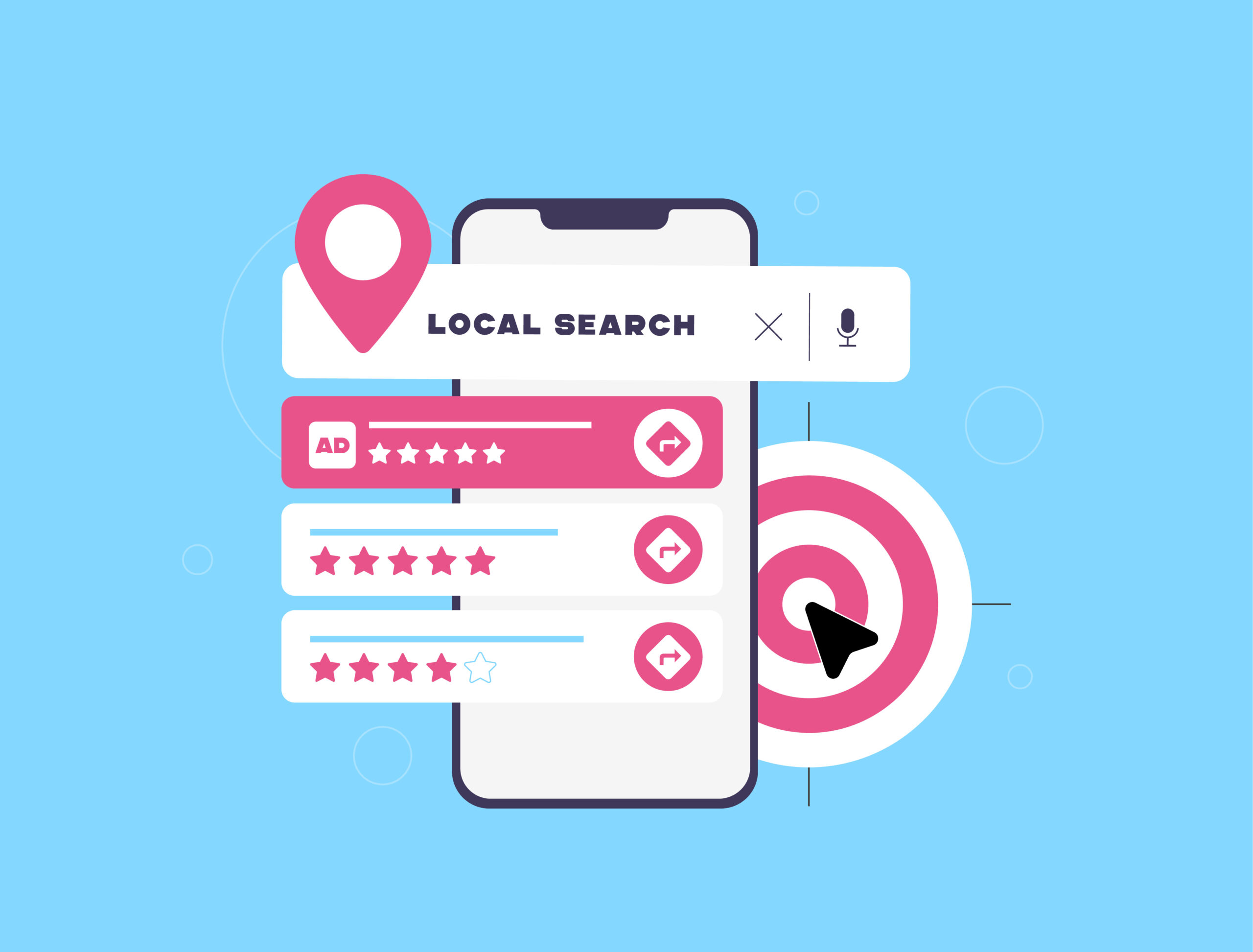
Local SEO is important because it’s how most consumers search for businesses on their mobile devices. If you want to benefit from hyperlocal search engine optimization, turn to Saba SEO, the leading experts on SEO in San Diego. Our specialists can assess your SEO needs and create customized, effective, and result-oriented strategies to boost your local rankings. We have a proven track record of delivering high-quality search engine optimization services and yielding exceedingly positive results. To learn more about how we can help you enhance your local SEO strategy, call us today for an appointment.

How Marketers Can Thrive without Data from Third-Party Cookies

Over the past few years, there has been a steady decline in the use of third-party cookies. User privacy concerns have been a hot topic and have resulted in many large companies, such as Google and Apple, coming up with plans to phase out third-party cookies in their browsers. As someone working in marketing, you might be wondering how this affects you and what you should do now. Keep reading as the experienced professionals from Saba SEO, an industry-leading online marketing and web design company in San Diego, explain how to adapt your marketing strategy as third-party cookies become obsolete.

The Effects of the Decline of Third-Party Cookies

Without third-party cookies, advertising is much less efficient. This means tracking users and serving them targeted ads will be more difficult. The digital advertising industry will see a huge reduction in size. The loss of targeted advertising makes it harder for publishers to monetize their websites.

The quality of online advertising will decline, as most publishers will move to other forms of monetization, like subscriptions or paywalls. In short, the decline of third-party cookies can have unfortunate consequences not only for companies but also for consumers. So how should marketers prepare for this?

How to Prepare for the Decline of Third-Party Cookies

Although they’re beneficial, cookies aren’t an essential part of online advertising. There’s an alternative called “zero-party data,” which is data that users voluntarily share with businesses. Preferences, interests, and contact information can be shared and collected through collection methods such as:

  • Surveys
  • Polls
  • Quizzes

This collection method is specific and reliable. The information is only gathered with users’ consent, so there are no issues with privacy concerns. Adding incentives, such as free shipping or other discounts, in exchange for customer data can also be a great strategy.

The Future of Advertising

While the future of digital advertising can seem daunting, with road bumps and new technology constantly evolving, it’s important to stay optimistic and versatile in the face of these changes. Businesses can stay relevant by making this shift to zero-party data and making sure they stay up to date on the newest trends.

The digital marketing professionals at Saba SEO, one of the top marketing companies San Diego businesses trust for integrity, unmatched expertise, and outstanding service, can help you keep your digital marketing strategy nimble and up to date as online trends and advertising methods evolve. We assist clients with social media marketing, SEO, PPC, web design and development, and internet marketing. Call one of our specialists today.

How to Create an AI Chatbot that Increases Customer Engagement

AI is ushering in a new era of commerce, and there’s an ever-growing range of ways AI-powered tools can assist a business. While some of AI’s most effective uses are behind the scenes, user-facing tools like AI chatbots can enhance your customers’ experience and streamline how they interact with your business.

Building an AI-powered chatbot is feasible even if you’re not highly technical, but there are a few key steps you’ll need to take. Keep reading as the digital marketing experts at Saba SEO, a premier San Diego web development company, explain how to create an AI chatbot for your business.

Identify Exactly What Function Your AI Chatbot Will Serve

An AI-powered chatbot can contribute in a variety of ways, and you’ll need to decide exactly what you want your chatbot to do. Is the focus more on customer service and answering questions? Or is it more proactive, engaged in creating leads, assisting in sales, or offering personalized recommendations to your users? Defining the parameters of your chatbot will give you clarity moving forward.

Determine the Features You Want Your Chatbot to Offer

AI-powered chatbots unlock an array of features that traditional chatbots aren’t capable of, and you’ll need to decide which of those features you want to take advantage of. AI chatbots can be created to offer the following:

  • Voice-to-chat capabilities
  • Personalization, including “remembering” details about past user interactions
  • Tonal variations, from less formal to more empathetic and other options
  • Interpretation of ambiguous user responses

All of these options and more are available, but you’ll need to select the specific features you need and plan for their inclusion.

Select Your Technologies

With the explosion of AI software, a massive assortment of libraries, Application Programming Interfaces (APIs), and dedicated AI support technologies have been created over the past few years. You’ll need to parse through the available options and find the right technology stack for you.

Creating an AI chatbot requires an extensive training phase, and selecting the right technology and building it properly will set you up to create a responsive chatbot able to fulfill your business needs.

AI-powered chatbots can help you optimize your customers’ user experience, which is crucial to keeping your business competitive. Whether you need a web design expert or a digital marketing specialist, reach out to Saba SEO. As a leader among San Diego marketing companies, we have more than two decades of experience in website design, online marketing, and SEO. Our web development specialists can create a responsive and mobile-friendly website for your business that’s sure to boost your online ranking and increase conversions. Give us a call to talk to one of our experts. 

Request A Free Consultation