
Saba Digital Marketing

SEO Split Testing: When You Should Use It & Why

More than 90 percent of the million-plus pages accessible via Google fail to get a single visitor through this search engine. If you’re seeing lackluster SEO results similar to this, you may still want to avoid completely starting from scratch. One way to do this is with SEO split tests. Here’s how they work and when to consider this tactic, brought to you by the experts at Saba SEO, a premier San Diego SEO company.

What Is SEO Split Testing?

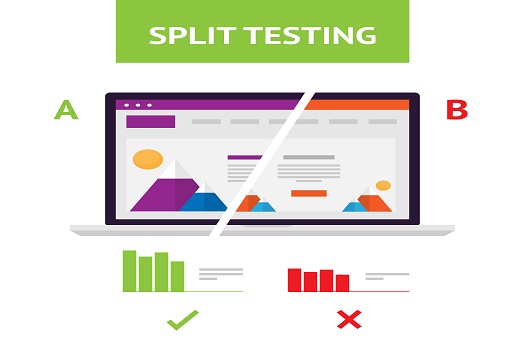
SEO split testing is the process of presenting two similar versions of a webpage or piece of online content. There are usually only changes to certain elements, like having two different versions of the title for a page where the content is otherwise the same. You’ll then compare results from both versions of the page to see which one performs better for SEO purposes.

When Should You Consider It?

SEO split tests are important because it’s not always easy to tell why your presented content isn’t ranking well. Split tests take some of the guesswork out of figuring out what you need to change. This type of testing also reduces the risk of unintentionally changing something that’s actually helping your content or page. It’s a good idea to engage SEO split tests if you’re noticing:

• An inability to rank well after several months of trying
• Lackluster performance by only certain pages on your site
• Unexplained traffic decreases

How Is It Done?

With SEO split tests, it’s better to isolate elements you want to test, such as your headlines, URL structures, meta descriptions and titles, or main copy. Images, videos, and calls to action can also be tested. By isolating elements and running several tests, you’ll get more detailed results so you’ll know what to adjust and what to leave alone. Set up and complete an SEO split test by:

• Determining what you want to find out (e.g., “If I add a few more images to this page, will it perform better?”)
• Using tools like Clickflow to get suggestions for SEO experiments to try
• Using the Google Optimize tool in Google Analytics to run split tests for a specific page
• Using Google Ads to run split tests and get results that can be applied to your organic content
• De-indexing the test page/content to avoid duplicate content issues

SEO split testing isn’t something you should do once and forget about. It’s a useful technique that can help you fine-tune your optimization efforts as you make adjustments going forward. Just remember to regularly check your stats to see what’s working, what’s improving, and what needs some attention so you can determine if you need to run more SEO split tests.

If you’d like more information on how to perform SEO split tests, call on the SEO specialists at Saba SEO. As an industry-leading San Diego SEO company, we have more than a decade of experience in search engine optimization, website design and development, and social media marketing. To learn more about how we can help you enhance your overall SEO strategy, reach out to us today at 858-277-1717.

What Should I Know about Image SEO?

Image SEO refers to the optimization of images included in content you want to rank well on search engines. It’s different from traditional SEO because search engines aren’t capable of sorting image-based content just by looking at it. Even so, there are steps you can take to get some SEO mileage out of images associated with your content. Whether you’re designing your SEO strategies on your own or letting one of the premier San Diego SEO companies take the lead, here are a few things you need to know about image SEO.

Properly Size Your Images

Realize the majority of your images will likely be viewed on mobile devices, and Google considers how a website appears on smaller screens for ranking purposes. One way to solve this problem is to compress your images before you upload them. Also, check to see how your images are affecting your page speed and load times once they’re placed, since these factors also affect ranking.

Customize Image File Names

Customizing the names of your image files lets Google and other search engines know what your images are about. Simply change the default file name for your image to one that’s descriptive of the image to personalize your image file name.

Make Your Alt Text SEO Friendly

Alt tags present alternatives to images if browsers can’t display them. These tags are useful because they still provide a description of the image even when it can’t be seen. This also helps users because they’ll be able to know what the image is even if it won’t load for them. Alt tags also allow you to associate relevant keywords with your images, which further helps with ranking.

Also, add images to your sitemap or create a sitemap specifically for your images. This is another way to give search engines some useful info about your images so they can help with your ranking goals. Lastly, focus more on unique, high-quality images instead of opting for stock ones. This is an extra step that can also set your business or brand apart from competitors.

If you need help optimizing your web content and images, get in touch with Saba SEO. As the leading experts on SEO in San Diego, we have several years of experience in every aspect of digital marketing. Our services include search engine optimization, web design, content marketing, and social media management, and we offer customized solutions to businesses all over the globe. Call us at 858-277-1717 to schedule an appointment with one of our SEO specialists.

7 Great Ways to Boost Organic Traffic

How do you get visitors to your website? There are many ways to boost organic traffic to your site. Consistency and patience are key. The San Diego SEO experts from Saba SEO suggest using the following 7 actionable steps to get more organic traffic.

1. Use SEO

Search engine optimization (SEO) is essential to driving people to your site. Following SEO best practices helps Google determine the sort of content you provide.

2. Optimize Content

People are searching for information. You need to create content that includes keywords that will help potential customers find you.

3. Include Links

One piece of content is often not enough. Linking a piece of content to related content keeps people on your site. These links can answer questions and provide more information. Links also encourage people to stay on your site longer, which increases your SEO ranking and brings your site closer to the top of search results.

4. Publish Regular Blog Posts

Be consistent about publishing blog posts. Whether you choose to write a post every day or just once a week, being consistent is key to SEO success. Also, be consistent with your blog topics. Always keep your content related to your specific niche.

5. Keep Customers Returning

There are a few tricks for keeping customers coming back to your site. One is to offer push notifications on your blog to let customers know when you have a new blog post. Another way to get customers back is to create a newsletter. When you send out an email newsletter, you can tell if people have opened it, which gives you an idea of how many people are actually interacting with your information and helps you see what information is more interesting to your customer base.

6. Share on Social Media

Make sure to offer a social media share button with your content. Always share your content on your social media channels, and also read comments and questions—they can help you figure out your next content topic.

7. Be Ethical

Always be ethical with everything you produce. Following ethical online practices reflects upon your business practices.

These are just a few of the best organic SEO techniques you can start using today. If you need help boosting the impact of your SEO strategy, call on the experienced professionals at Saba SEO, the experts on SEO San Diego companies trust for outstanding industry knowledge, high-quality service, and integrity. Give one of our SEO specialists a call today at 858-277-1717.

5 Ways to Boost Your Click-Through Rates

Click-through rate (CTR) refers to the number of people who opt to click a specific link. While such links are often associated with ads, they can also take searchers directly to certain webpages. CTR is an important metric, since higher CTRs often equal higher conversion rates. The specialists at Saba SEO, one of the best SEO companies San Diego has to offer, provide these five tips that could give you a much-needed CTR boost.

1. Use Long-Tail Keywords

When doing your keyword research, pay attention to long-tail variations. These are groups of related keywords that can be tailored to more specific parts of the sales funnel to increase the odds of receiving clicks. For instance, someone searching for “best fall jackets” is more likely to be ready to buy than someone who’s just looking online for “fall jackets.”

2. Write Unique Meta Descriptions

If your meta descriptions are pretty much the same, you may not be fully meeting the needs and expectations of your intended audience. Instead, make your meta descriptions specific to each webpage to attract searchers who are more likely to find the linked content relevant, useful, and appealing.

3. Use Structured Data

Structured data is a technical SEO feature that plays a role in generating those interactive info boxes that show up online. For instance, if someone searches for “how to make bread,” they’ll find the steps pulled from a webpage that has this info properly coded and displayed. This can result in a CTR boost for the webpage.

4. Include Compelling Images

CTRs in emails increase by more than 40 percent when images are included. Images also make organic and paid links more appealing to searchers. When using images for your linkable content, make sure they’re relevant and properly sized.

5. Personalize Your URLs

URLs are often overlooked as sources of click inspiration. Instead of accepting whatever the default is, personalize your URLs so they’re more descriptive and visually appealing. This simple extra step can make your URLs stand out from the crowd in a way that inspires more clicks.

If your goal is to increase CTRs for your paid ads, features such as ad extensions that include extras like phone numbers, store ratings, and location-specific details can inspire click-throughs. Whether you want to increase organic or paid CTRs, it’s important to pay attention to the related content as well, since this is what ultimately turns clicks into conversions.

If you need help increasing your click-through and conversion rates, turn to Saba SEO. We are a leading San Diego SEO agency with fifteen years of experience in digital marketing. Our experts can create a responsive website for your business with high-quality content and graphics that are sure to result in more clicks. We also specialize in social media marketing to help businesses boost their brand images and interact more effectively with their target audiences. To learn about our high-quality Internet marketing services, give us a call at 858-277-1717 today.

How to Utilize Social Media Platforms for Your Keyword Research

At one time, it made sense to focus mostly on search behavior on actual search engines and not social media activity when doing keyword research. However, more people are now using social media to search for information related to businesses, products, and services and to comment about content. As a result, various social platforms can be reliable sources of keyword data. Below, the experts from Saba SEO, a top-tier SEO company San Diego businesses rely on for premier digital marketing expertise, explain more about using social media for keyword research.

Facebook Ad Targeting

This is a Facebook feature that can allow you to get specific data about your target audience’s preferences. Even if you’re not sure who your target market is, data from Facebook can be used to narrow down your keyword selections based on added insights into behaviors and preferences related to:

• Location/geography
• Age, sex, and gender
• Interests, workplace details, and connections

Trending Twitter Topics

A lot of what’s trending on Twitter is based on newsworthy topics. Pay particular attention to the comments and questions these topics inspire. You may be able to choose keywords to include in your content that address concerns or sentiments your own audience may have about trending topics.

Instagram Hashtags

Many businesses are already using Instagram hashtags for lead-generation purposes. Look at hashtags related to your niche or market for possible keywords you may not be using. Browse through captions related to posts associated with those hashtags for more keyword ideas.

Pinterest Content

If you do specific searches for things like “B2B marketing ideas” or “kitchen design trends,” you can get suggestions for keywords or terms related to your preferred topic. Pinterest also has the same auto-fill search feature as Google. Simply enter your main keyword term or a long-tail keyword phrase in the search box to find out what related terms other Pinterest users are entering as they browse.

There are many social platforms that can help you gain important audience insights. For instance, LinkedIn can be used to look for keyword ideas in content being posted by influential people in your field or industry. Comments associated with YouTube content can serve a similar purpose. Finally, do some exploring on niche-based platforms like WhatsApp, Tumblr, Reddit, and Line to round out your keyword research.

Whether you need help creating an effective keyword strategy or you’re looking for a top-tier professional firm to create high-quality SEO campaigns for your business, call on the experts from Saba SEO. We’re a premier provider of SEO service San Diego businesses have trusted for fifteen years. Reach out to one of our specialists today at 858-277-1717.

4 Ways to Build a Solid SEO Strategy During the Coronavirus Pandemic

Understandably, there’s a lot of uncertainty involving COVID-19. This is especially true in light of the economic downturn largely related to this global pandemic. However, it’s still important to implement a strong SEO program to maintain engagement and have a solid and meaningful online presence. Here are four tips to consider to achieve this goal, offered by the experts from Saba SEO, a premier provider of SEO services San Diego businesses rely on for integrity and unmatched professionalism.

1. Shift to Positive, Comforting Content

For many businesses affected in some way by COVID-19, now isn’t the time to focus on overly “salesy” content. What you can do instead is produce content that builds trust. Many top brands are already doing this by focusing on positive things like community support and general comfort with their content.

2. Pay Attention to Your Online Presence

Because of the shifts in search behavior and the way businesses can be accessed, information that’s presented online can quickly become outdated or inaccurate. Take a moment to take stock of your online presence by:

• Updating business hours and other Google My Business page details
• Adjusting schema
• Tapping into search data to track search behavior and audience intent

3. Adjust Your Content & Campaigns

Take a look at all your pre–COVID-19 content and digital campaigns. Suspend any campaigns that are now inappropriate. For instance, KFC suspended its “finger lickin’ good” campaign. With content, focus on showing empathy and understanding customer concerns right now.

4. Boost Your Website Security

This is SEO related because Google considers, to some extent, how secure a site is when determining rankings. It’s also important to be mindful of security now because there are more bad actors out there taking advantage of the boost in online traffic from more people being at home. With security, make sure to:

• Monitor your log files for crawl errors
• Properly implement security on your site, especially if visitors can complete transactions this way
• Update the apps/plugins you normally use

It can also help your SEO strategy to check where your traffic is coming from now. Because more people are at home, desktop use is on the rise. This doesn’t mean you have to ditch your mobile efforts, but it can be helpful to ensure your content is accessible on all screens to create a good user experience for both desktop and mobile users.

If you need help creating a solid SEO strategy for your business, reach out to the experts at Saba SEO, an industry-leading San Diego SEO company. Our specialists can help you with marketing campaigns, social media management, web development, search engine optimization, and much more. To find out more about our high-quality SEO services, give us a call today at 858-277-1717.

How Do H1 Tags Affect SEO Success?

The H1 tag is the first header tag that appears on a page. It’s normally used for the title of a webpage or post, and it’s often considered an important tag. In fact, some sources even consider it to be one of the most important elements of on-page SEO. But just how essential are H1 tags for ranking? The San Diego SEO experts from Saba SEO dive into this topic to find out.

H1 Tags Can Offer Indirect Ranking Benefits

H1 tags alone don’t directly affect SEO. That being said, they can still be useful for ranking purposes because of their indirect benefits. For instance, a properly used H1 tag can clarify what your content is about for both real people and search engines. It’s not necessarily the strongest step you can take with your ranking efforts, but it can be helpful.

You Have to Use H1 Tags Correctly

When used properly, H1 tags can play a role in helping search engine crawlers understand what a particular piece of content is about. Proper use of an H1 tag typically means keeping the H1 title relevant to the page, making it short and to the point, and using a relevant keyword. The following H1 tag dos and don’ts can further boost your odds of enjoying indirect ranking benefits:

• Do make each H1 tag unique
• Don’t use H1 tags on some pages and skip them on others
• Do use H1 tags with other appropriate tags on the same page (e.g., H2/H3s for additional headers/subheads)
• Don’t stuff keywords into your H1s

Some content management systems automatically add H1 tags to your pages. This really isn’t a big deal if you’re structuring your titles correctly. You can also manually add H1s to your content fairly easily. The bottom line with H1 tags is that they aren’t absolutely essential, but they can be helpful when combined with the other steps you take to boost your ranking and online visibility.

For quality-assured search engine optimization services, businesses rely on Saba SEO. As one of the leading marketing companies in San Diego, we have fifteen years of experience in content creation, SEO, and PPC. We can help you increase your online visibility and create high-quality content that is sure to entice your target audience and rank well across all search engines. Give us a call at 858-277-1717 to find out how our experts can help you with your digital marketing needs.

What Is the Importance of Breadcrumbs in SEO?

In SEO terms, breadcrumbs are navigation features that can play a role in how visitors interact with your website. When used correctly, breadcrumbs can reduce your site’s bounce rate, keep visitors engaged, and even encourage more website visits. The experts at Saba SEO, a premier San Diego SEO company, invite you to take a moment to learn more about breadcrumbs and why they’re important for SEO.

What Exactly Are Breadcrumbs?

Breadcrumbs normally appear as a menu at the top of a page, and it remains fixed as users visit different pages of the same website. They allow visitors to quickly get back to the homepage or whatever page they wish to jump to. All categories in the menu are clickable. Common types of breadcrumbs include:

• Hierarchy-based breadcrumbs – Choices are displayed in order, from the homepage to the other main selections.

• Dynamic breadcrumbs – Typically used when products featured have several attributes so visitors can pick what they want without having to leave the current page.

• History-based breadcrumbs – User-based breadcrumbs based on pages a website visitor has checked out.

Why Are Breadcrumbs Good for SEO?

Breadcrumbs are important for SEO because they help search engine crawlers with the indexing part of optimization. Crawlers are advanced enough today that they can use breadcrumbs to develop a better understanding of your site. Google also displays breadcrumbs instead of the permalink page on search engine results because they just look better when displayed. As for how to make breadcrumbs work for your site, make sure to:

• Make breadcrumbs visible to all website visitors
• Make your breadcrumbs mobile-friendly with appropriately sized fonts
• Add breadcrumbs to schema markup to help crawlers understand their structure

Breadcrumbs also have the potential to contribute to a better overall user experience. They can even make your search snippets more appealing to Google, which is also good for your website’s performance on search engines. And with a little creativity, breadcrumbs can work well with practically any website design.

Tools like breadcrumbs can be challenging for some people to use without the assistance of experienced SEO experts. If you’re looking to boost your search results with state-of-the-art techniques, call on the SEO specialists at Saba SEO. As an industry-leading SEO company in San Diego, we have more than a decade of experience in search engine optimization, website design and development, and social media marketing. To learn more about how we can help you enhance your SEO strategy, reach out to us today at 858-277-1717.

7 Missteps You Should Avoid in Your Keyword Research

There’s no denying the importance of keyword research. However, there are some potential keyword missteps that can leave you frustrated if you end up not seeing the results you expected. The experts from Saba SEO, a top-tier SEO company San Diego businesses trust for high-quality service and unparalleled digital marketing expertise, explain how you can boost your odds of benefiting from a successful keyword strategy by avoiding these seven keyword research mistakes.

1. Assuming You Know What Your Audience Wants

No matter how much you think you know your customers or intended audience, making assumptions about keywords isn’t going to work out well. Even if your keywords are performing fairly well for you right now, preferences and trends can affect results over time, so it’s best to do proper keyword research on a regular basis.

2. Going for Super-Obvious (and Competitive) Keywords

If you run a pizza shop, the keyword “pizza” is going to be really competitive and difficult to rank well for. Instead, look for long-tail keywords or location-specific keywords that are easier to rank for, like “Manhattan Italian pizza” or “deep dish Brooklyn pizza.”

3. Forgetting about Search Intent

Well-written content isn’t going to do you any favors if you’re not thinking about search intent. The keywords you use for people just looking for information about your business, products, or services are going to be different than what you use for searchers ready to make purchases. Think about what searchers might have in mind if they come across your content to determine which keywords should be used.

4. Relying on Irrelevant Keywords

Don’t assume potential customers or visitors to your site will be aware of industry terms or obscure references to things often referred to differently. For instance, you might call your high-quality wine glasses “elegant glassware,” but most people will search for “wine glasses.” Keyword research allows you to discover what terms or phrases people are using to find what you have to offer.

5. Not Using Keyword Variations

People don’t always type or speak search terms that match a single keyword, even one that’s fairly common. Extend your keyword research to include keyword variations, related terms, and synonyms. Keyword tools and plugins can help you generate a more diverse keyword list.

6. Not Paying Attention to Singular or Plural Keywords

While search engines can normally figure out little variations like this, the way a keyword is used can suggest intent. Generally, if someone is doing a plural search, they’re searching for general information about certain items or services. Singular terms tend to be more focused on a specific product or service.

7. Forgetting to Track Keyword Results

Even if you’re not doing paid campaigns that need keyword performance to be carefully tracked, you still need to know how your keywords are doing. Google Analytics (GA) is a handy tool you can use to do this. The Top Keywords report will show you the words and phrases search engines are associating with your content and using to find your website.

Whether you need help creating an effective keyword strategy or you’re looking for a top-tier professional firm to create high-quality SEO campaigns for your business, call on the experts from Saba SEO. We’ve been a premier provider of San Diego SEO services for fifteen years. Reach out to one of our specialists today at 858-277-1717.

How to Create SEO-Friendly Product Descriptions

Selling things online typically involves products that need to be promoted. Because of the high level of competition, you need to have well-written, SEO-friendly product descriptions to increase your odds of seeing the desired results. If you’re just learning how to do this, the experts at Saba SEO, one of the leading San Diego marketing companies, share a few tips on how to get started.

Spotlight Key Features

The first thing you should do with your descriptions is highlight key features. If the format is appropriate, consider using bullet points to make these features stand out even more.

Use Persuasive Words

Another way to catch a searcher’s eye is by using persuasive or attention-getting words. Terms of this nature could include: 

  • “Introducing” or “announcing” for new products
  • “Easy,” “simple,” or “quick” to emphasize a product’s ease of use or ability to help a consumer save time
  • “Elegant,” “rugged,” or “colorful” to suggest the way a product looks

Know Your Target Audience

It’s much easier to write product descriptions when you clearly know who you’re targeting. For example, if you have a B2B product, you might write a description that plays up your product’s ability to boost efficiency or consolidate tasks.

Keep Descriptions Simple & Concise

Read your product descriptions carefully before you post them. Are they easy to read? Can you pick out key features quickly? Do you have a clear understanding of what the product actually does? If you answer “yes” to questions like these, you’re good to go.

Carefully Choose Keywords

If you attempt to jam too many keywords into short descriptions, they could be flagged for keyword stuffing. A good rule of thumb with keywords is to put the main one in your headline and a few relevant ones in the description.

Ultimately, you should write product descriptions for actual people, not search engines. Present an honest, concise summary of what your product is, what it does, and how it can benefit the intended user. Also, track results to get an idea of whether or not you’re getting the desired SEO traction so adjustments can be made when necessary.

If you need help with any aspect of search engine optimization, turn to Saba SEO. We are a respected SEO company in San Diego with several years of experience in Internet marketing. For more than a decade, our experts have created customized and quality-assured SEO strategies for a wide variety of businesses all over the globe. To learn about our high-quality services, call one of our SEO experts at 858-277-1717.

Request A Free Consultation